
Visit Boise
The tourism site for Boise, Idaho: where to eat, stay and play, what is on in the city, and which venues can host a conference.
- Address
- visitboise.com
- Sector
- Destination marketing
- Audience
- Visitors, meeting and sports planners
- Shape
- Directories, events calendar, trip planner
- Platform
- WordPress, FacetWP, Modern Events Calendar
What the work was
The specific changes, not a category. If a line here reads as something any supplier could claim, it should not be on the page.
- 01
Two records for one venue
A restaurant that also rents a private room exists twice: once in the food directory and once in the meeting finder, on separate post types with different fields and different detail pages. The saved-items page carries that split all the way through, keeping favourite places and meeting places as two lists.
- 02
Venue cards with no fixed fields
Each card prints only the measurements that venue actually has, so a restaurant shows private rooms and seated capacity, a hotel shows meeting rooms and largest room in square feet, and a sports complex shows fields and sports played. One template holds a row for every possible measure, drops the empty ones, and still lines up beside cards of a different shape.
- 03
Listings assembled from Google Places
Directory photography comes from the Google Places photo endpoint and the business categories carry Google's own slugs alongside hand-made ones, with reviews and a star-rating filter over the same data. Pulling a third party's taxonomy into your own is most of the work in a directory that size.
- 04
Event submissions from the public
Anyone can add an event through a form on the site, and the theme narrows the calendar's repeat options to the ones the team can support. Submitters also pick a venue from one shared location list or add to it, so the vocabulary of places grows with every submission and has to be kept in order.
- 05
Saved lists with no account
Save buttons on events, blog posts, places and meeting venues write ids into the browser, and the favourites page rebuilds four separate lists from them. Events are handled differently from the rest: the page ships the whole catalogue as markup, then removes every row the browser has not saved.
The running system
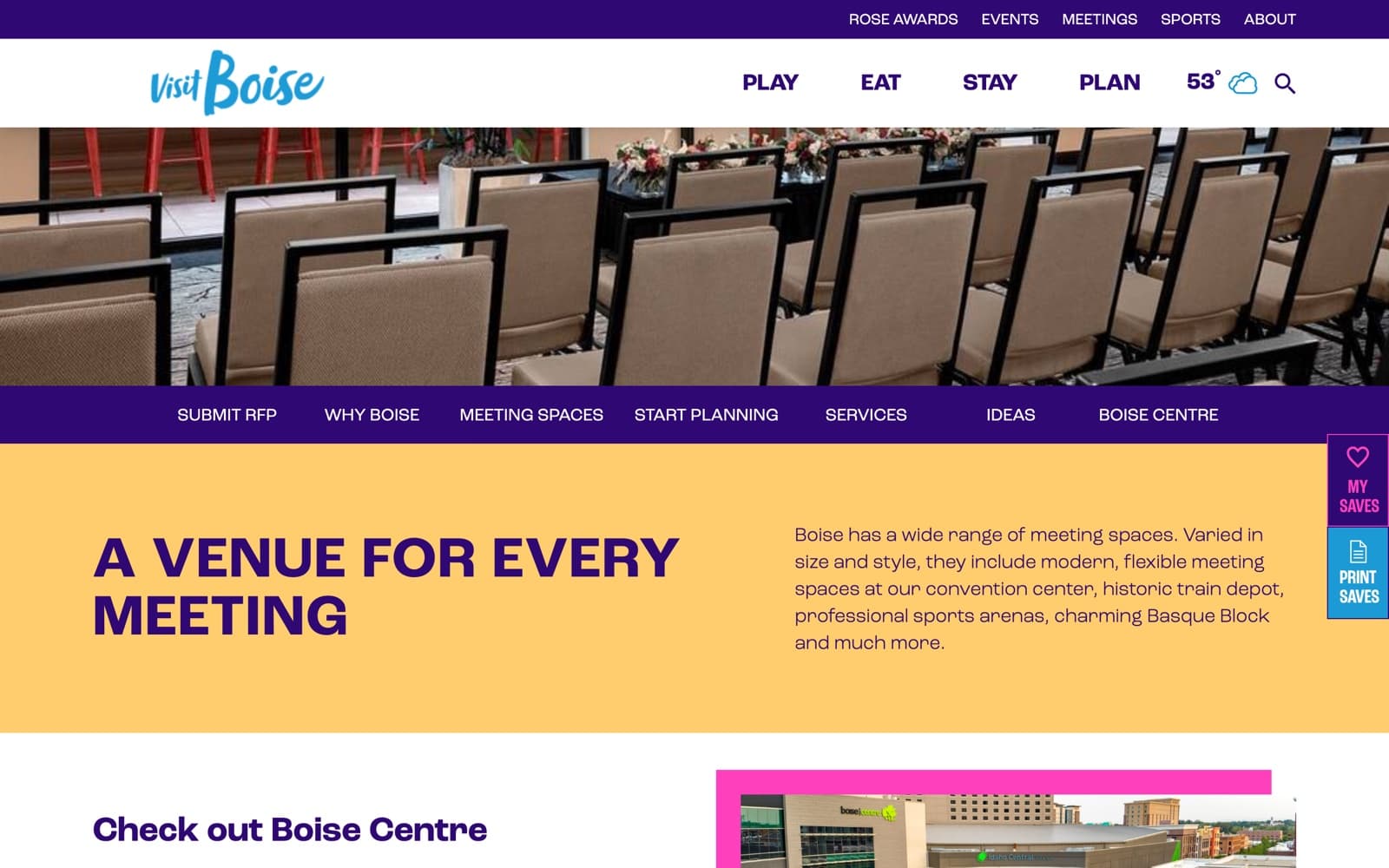
Captures of the live site. The address is in the frame, so you can open it yourself and check that what is shown here is what is actually served.

Running something that looks like this?
Start with the fixed-fee audit. One to two weeks, a known price, and the findings are yours whether or not you go further. It is the only way to see how a supplier thinks before you have given them the pager.












