Innob Services
Why Innob

Trust built on things you can check

Handing your production infrastructure to a supplier is a significant act of trust, and most of the signals the industry uses to earn it are weak. Logos you cannot verify. Testimonials nobody wrote. Uptime figures with no definition of downtime attached. We have built this relationship out of things you can actually test: systems you can open, commitments you can enforce, and an audit that shows you how we work before you commit to anything.

Eight commitments, written into the contract

Each one names a question buyers actually ask before handing over production, and answers it as a contract term rather than a reassurance.

Who can reach our systems?

Named access, revoked on the day

Every engineer works under a named account with least-privilege access. There is no shared root password and no generic ops login. When someone leaves the team or rolls off your account, their access is revoked the same day and the revocation is logged. You can ask for the current access list at any time and you will get it the same day, not after a review cycle.

What did you do to our systems, and when?

A change record for every change

Nothing is changed on your infrastructure without a record: what changed, who approved it, when it was applied, what the rollback was, and whether the rollback was tested. Emergency changes follow the same record, written after the fact rather than skipped. The log is yours to read whenever you want it, and it is the first thing we hand an auditor on your behalf.

How fast do you actually apply security updates?

Patch windows agreed in advance

Routine security updates land in a standing window you agreed when the account was set up, on a cadence written into the SLA. Critical-severity vulnerabilities are expedited outside that window, and you are told before we act rather than after. We publish the cadence rather than describing patching as continuous, because continuous is not a number anyone can be held to.

Do the backups actually work?

Restores tested, not assumed

A backup that has never been restored is a hypothesis. We test-restore on a schedule and record the result, including how long the restore took, because recovery time is the number that matters during an incident and almost nobody measures it in advance. If a restore fails we tell you that week, not at the next review.

Are we locked in?

Your cloud account, your keys

Where the infrastructure runs in a public cloud, it runs in your account under your billing relationship, and we hold delegated access you can revoke without opening a ticket. Domains stay in your name with you as registrant. Infrastructure is defined as code in a repository you own. Leaving us should cost you a transition, not a rebuild, and the contract has a ninety-day exit clause that says so.

Who do I call at 3am, and what if they do not answer?

The escalation ladder has names on it

You get the names, direct numbers and escalation order of the engineers on your account, up to and including a director. Not a shared inbox, not a ticket portal with a chatbot in front of it. If the first name does not answer inside the SLA window, the second is paged automatically, and the fact that it escalated is reported to you whether or not you noticed.

Will you tell us the truth when you break something?

A written post-incident account

Every significant incident ends in a written account: what happened, what the impact was, what the cause was, what we changed so it does not recur, and where we were slow. Including the incidents we caused ourselves. It is sent whether or not you ask, and it names the gap rather than describing the response.

How do we find out if you are any good without betting the estate?

A paid pilot you can cancel

First engagements start as a paid thirty-day pilot on a single defined scope, cancellable at the end with no notice period and no claw-back on the work. You keep the audit, the documentation and the monitoring configuration whatever you decide. We would rather lose a bad fit in month one than discover it in month nine.

What happens when we are the ones who break it

Every supplier has an answer for how they handle your failures. The useful question is what they do about their own.

We will cause outages. Any provider who has been operating long enough to be worth hiring has caused some, and any provider who implies otherwise is either new or not telling you the truth. What distinguishes one supplier from another is not whether they break things but what happens in the hour and the week afterwards.

During the incident, the priority order is fixed and it does not change because the cause was embarrassing: restore service, preserve evidence, then find the cause. Where a rollback restores service we roll back first and investigate against the preserved state afterwards. We do not hold an outage open to finish diagnosing, and we do not delay telling you while we work out whether it was our fault.

Afterwards you get the same written account you would get for any other incident, except that the first paragraph says it was us. Impact, timeline, cause, what we changed so it does not recur, and specifically where we were slow. The SLA credit applies exactly as it would if the cause had been a failed disk. A provider who only writes honest reports about other people's mistakes is not giving you information.

The quarterly review reports our own performance against the SLA, including the quarters we missed it, and we bring that number whether or not you have been tracking it. If you find yourself having to check whether your supplier is meeting its commitments, the relationship has already gone wrong.

Evidence instead of testimonials

Three of the production systems our team built and runs. Open them.

Skulls Ludo

skullsludo.com

Web3 gaming · Android app and launch site

A multiplayer board game on Google Play: classic, rush and team up modes, in-match chat and credits earned from daily play, with the launch site that carries its token and NFT programme.

  • Authoritative turn state. Ludo looks simple until four clients have to agree on one dice roll, a capture and who is on the clock. The turn, the timer and the board belong to the server, or two players see two different games.
  • Rooms, seats and dropouts. A match is composed before it starts: two or four seats chosen on a pre-match screen, with private rooms behind the play-with-friends mode. The room has to hold together between the first player joining and the board appearing, and a four-seat game has to keep going when somebody closes the app mid-turn.
  • Chat inside an Everyone-rated game. In-match chat and an emoji tray run beside the game state as a second live channel. The store rates the app Everyone with the interaction flag Google applies to player-to-player messaging, which brings a moderation and reporting obligation the board itself does not have.
skullsludo.com
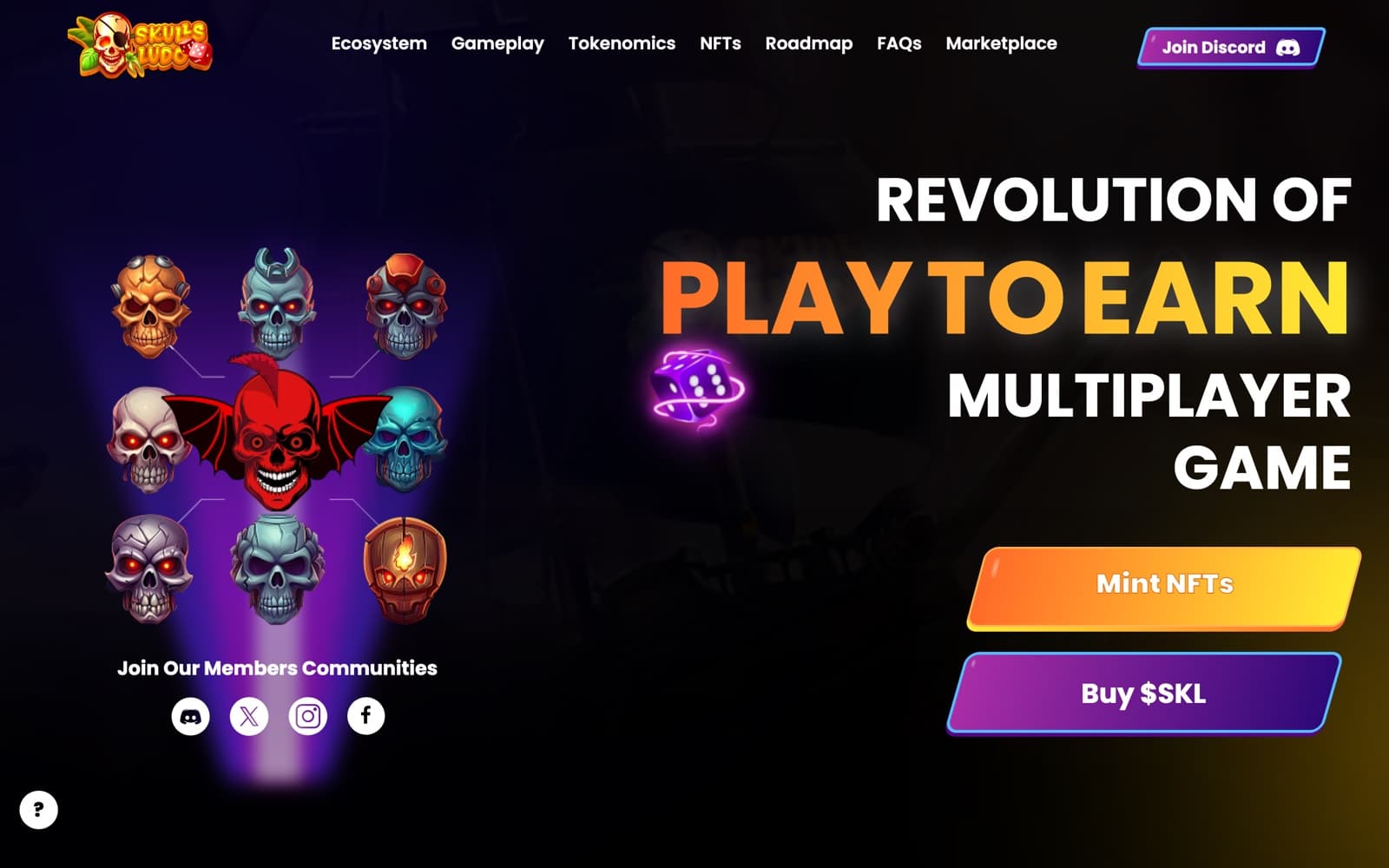
The Skulls Ludo landing page

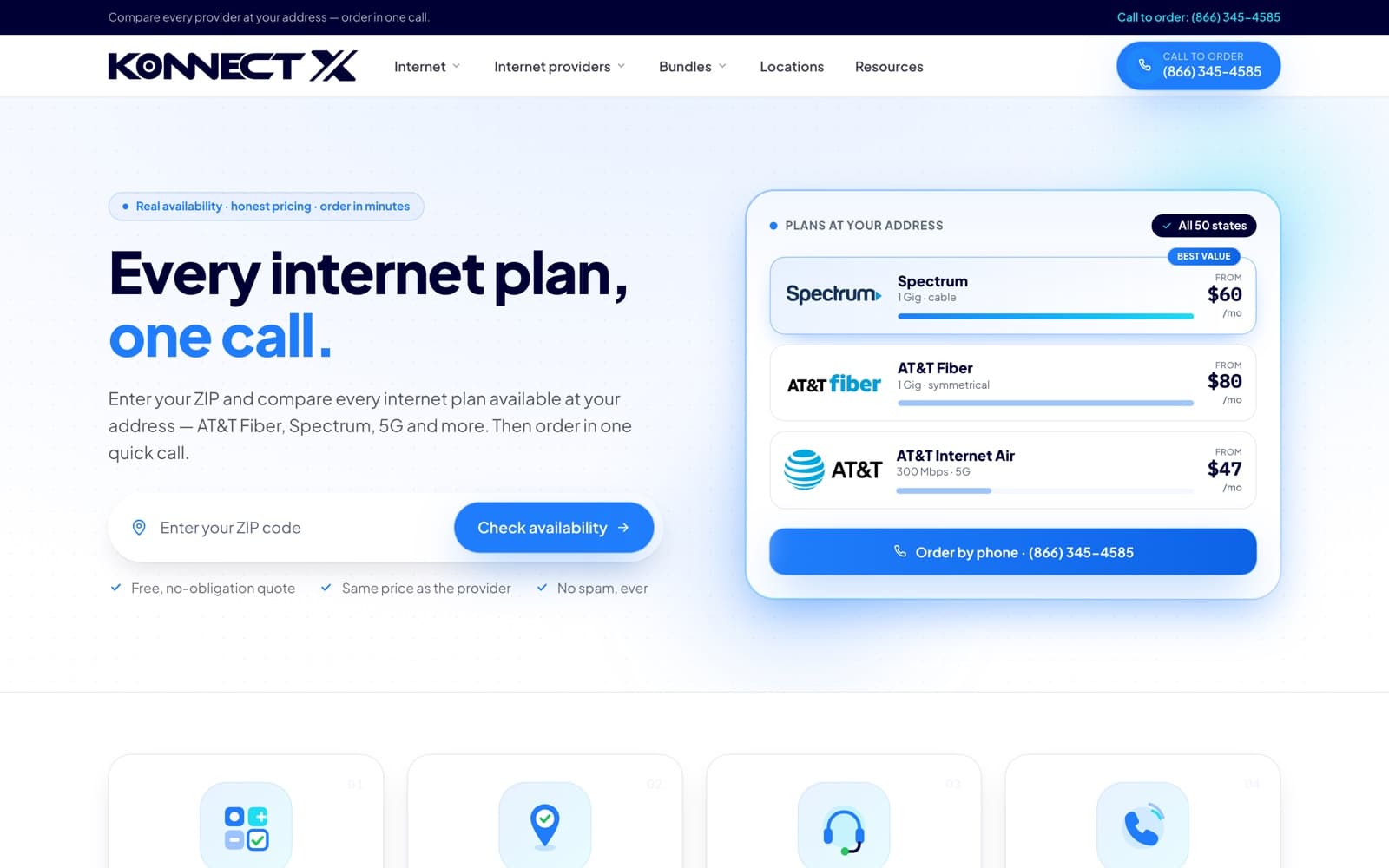
KonnectX

konnectx.net

US home internet · Marketplace and ordering

A home-internet marketplace for the United States: enter a ZIP, see every plan wired to that address, and order it on one call.

  • Availability at the address, not the city. A ZIP lookup resolves to the providers and plans actually serving that address, so the comparison starts from what a household can order today.
  • One catalogue behind every surface. Fiber, cable, 5G, satellite, DSL and fixed wireless plans, with providers, speeds, pricing and technology modelled once and read by every page.
  • Pages for the long tail of search. Provider pages, plan-type pages, bundles and location pages are generated from that catalogue, so a search for a provider in a place lands on a real page rather than a filtered list.

A content-heavy marketplace with incremental regeneration has a specific failure mode: the build succeeds and the data is stale. Monitoring has to watch freshness, not just uptime.

konnectx.net
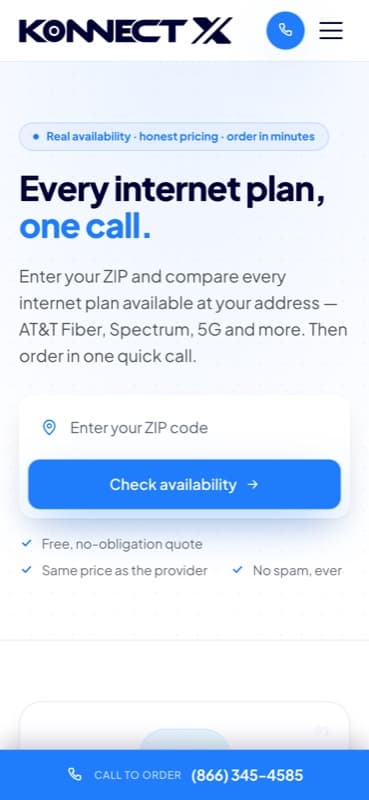
The KonnectX home page

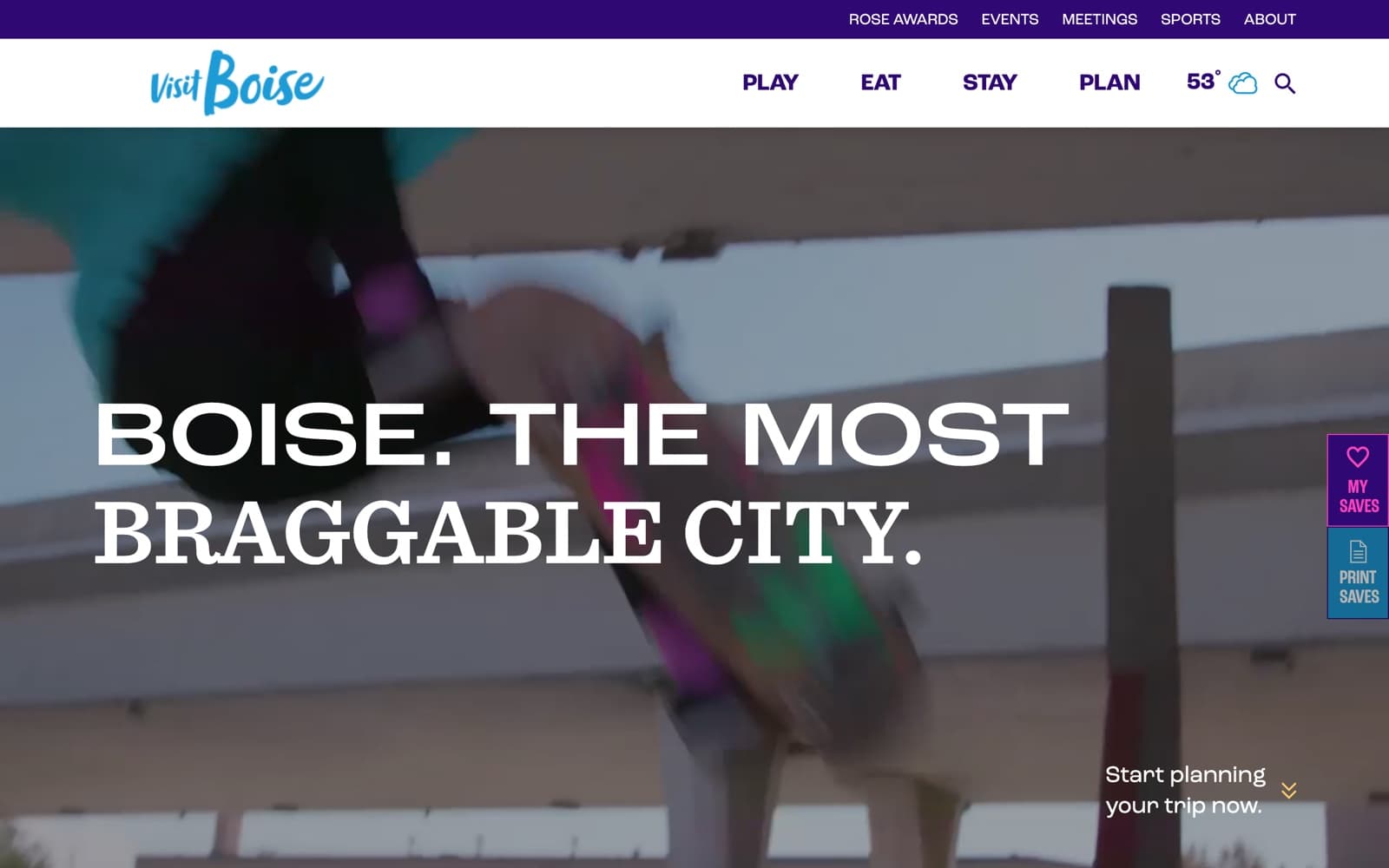
Visit Boise

visitboise.com

Destination marketing · WordPress, FacetWP, Modern Events Calendar

The tourism site for Boise, Idaho: where to eat, stay and play, what is on in the city, and which venues can host a conference.

  • Two records for one venue. A restaurant that also rents a private room exists twice: once in the food directory and once in the meeting finder, on separate post types with different fields and different detail pages. The saved-items page carries that split all the way through, keeping favourite places and meeting places as two lists.
  • Venue cards with no fixed fields. Each card prints only the measurements that venue actually has, so a restaurant shows private rooms and seated capacity, a hotel shows meeting rooms and largest room in square feet, and a sports complex shows fields and sports played. One template holds a row for every possible measure, drops the empty ones, and still lines up beside cards of a different shape.
  • Listings assembled from Google Places. Directory photography comes from the Google Places photo endpoint and the business categories carry Google's own slugs alongside hand-made ones, with reviews and a star-rating filter over the same data. Pulling a third party's taxonomy into your own is most of the work in a directory that size.
visitboise.com
The Visit Boise home page

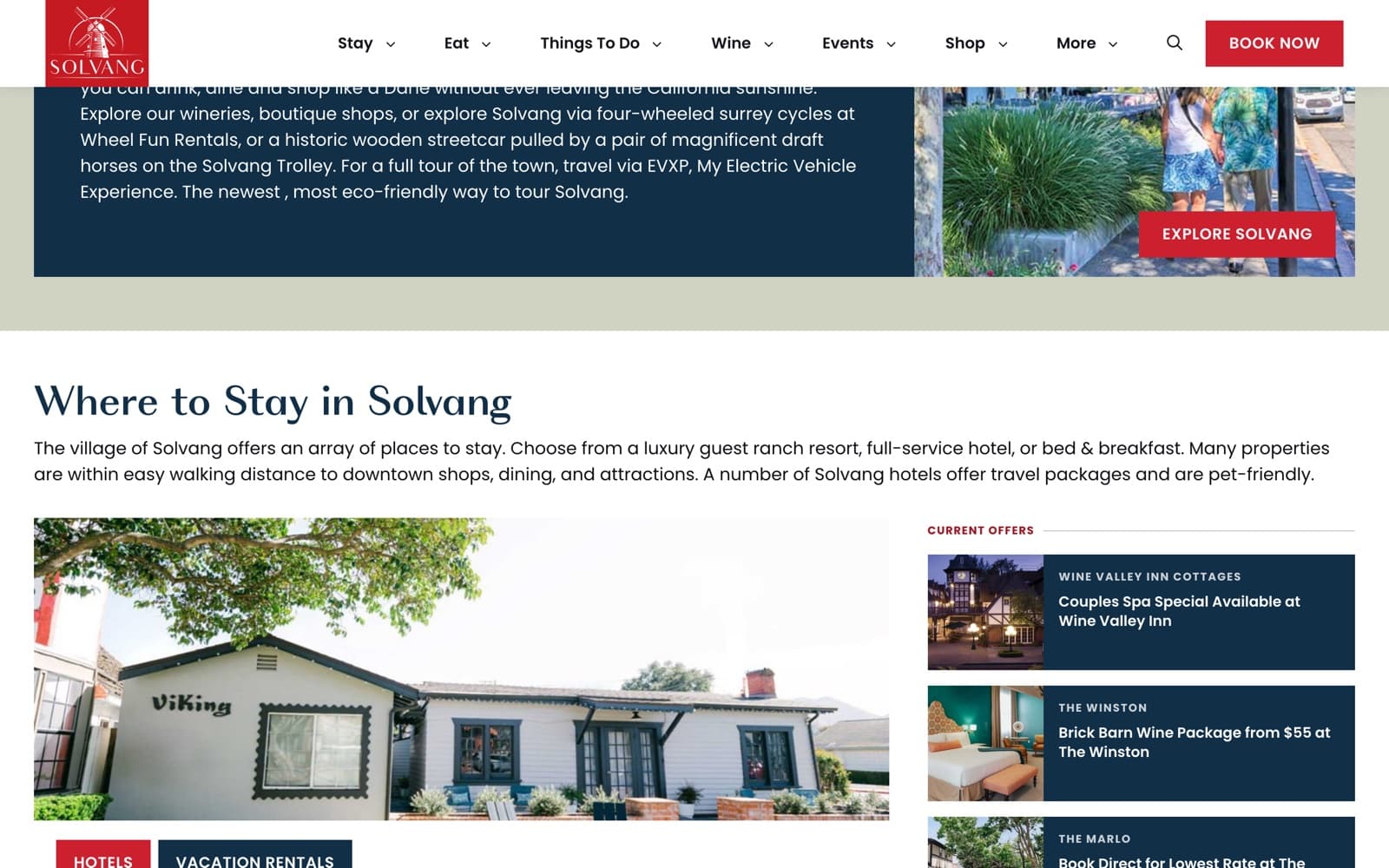
Solvang USA

solvangusa.com

Destination marketing · WordPress, GeneratePress, EventON

The visitor site for Solvang, California, where people planning a trip find places to stay, eat and taste wine, and what is on while they are there.

  • One record, several directories. A hotel is a property on the lodging directory, a venue on the weddings page and a result on the meetings page; a gelato shop sits under both dining and shopping. Each business is one record carrying several taxonomy terms, and every page reads it through its own vocabulary and prints its own type label.
  • Filter labels carry their own counts. The lodging row reads all 29, hotels 18, dog friendly 9, and it bands properties into under 20 rooms, 20 to 60, and over 60. Those bands come off a room count on each record, so they are derived rather than typed, and they stay right the day a property is added.
  • Every listing rendered into every panel. The filters switch panels already present in the page rather than loading a new URL, so the whole directory arrives at once and never moves. The trade is duplication: a property that matches seven facets is written into the document seven times, which is a cost worth paying for a directory this size and not for a much larger one.
solvangusa.com
The Solvang USA home page

Test the claim before you buy it.

A fixed-fee audit, one to two weeks, and you keep the findings whether or not you continue. It is the cheapest way to find out whether we are any good, and the plan is useful to you even if you hand it to somebody else.