
Skulls Ludo
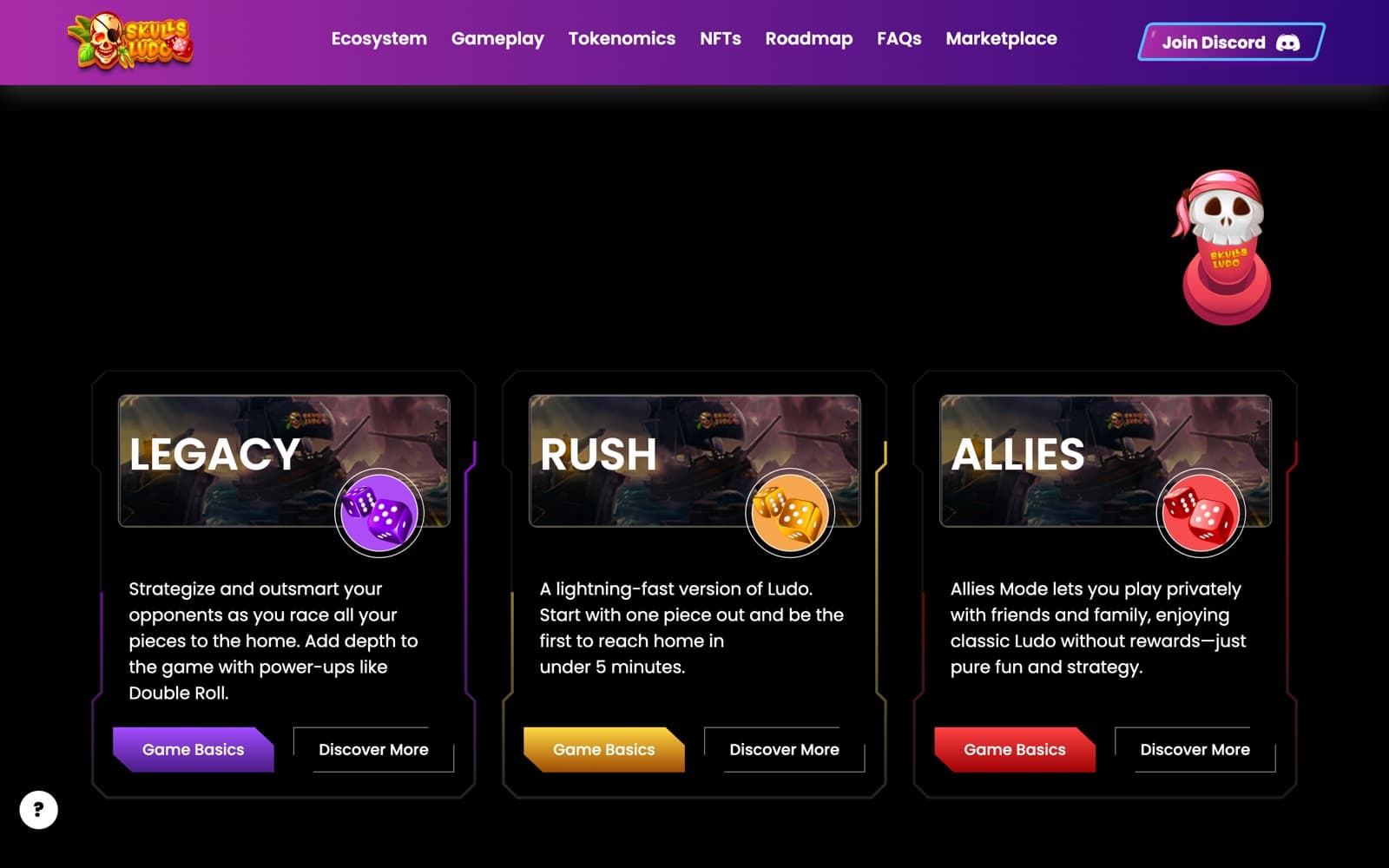
A multiplayer board game on Google Play: classic, rush and team up modes, in-match chat and credits earned from daily play, with the launch site that carries its token and NFT programme.
- Address
- skullsludo.com
- Sector
- Casual multiplayer games
- Shipped
- Android, Google Play
- Shape
- Real-time, two or four seats
- Economy
- XP and gems, token designed
- Platform
- Android app and launch site
What the work was
The specific changes, not a category. If a line here reads as something any supplier could claim, it should not be on the page.
- 01
Authoritative turn state
Ludo looks simple until four clients have to agree on one dice roll, a capture and who is on the clock. The turn, the timer and the board belong to the server, or two players see two different games.
- 02
Rooms, seats and dropouts
A match is composed before it starts: two or four seats chosen on a pre-match screen, with private rooms behind the play-with-friends mode. The room has to hold together between the first player joining and the board appearing, and a four-seat game has to keep going when somebody closes the app mid-turn.
- 03
Chat inside an Everyone-rated game
In-match chat and an emoji tray run beside the game state as a second live channel. The store rates the app Everyone with the interaction flag Google applies to player-to-player messaging, which brings a moderation and reporting obligation the board itself does not have.
- 04
Two currencies, one of them bought
The HUD carries XP for level and gems for spend, with purchases behind the gem count. Once a balance can be bought with real money it has to be held on the server and reconciled against store billing rather than trusted from the handset.
- 05
A token and collection specified in full
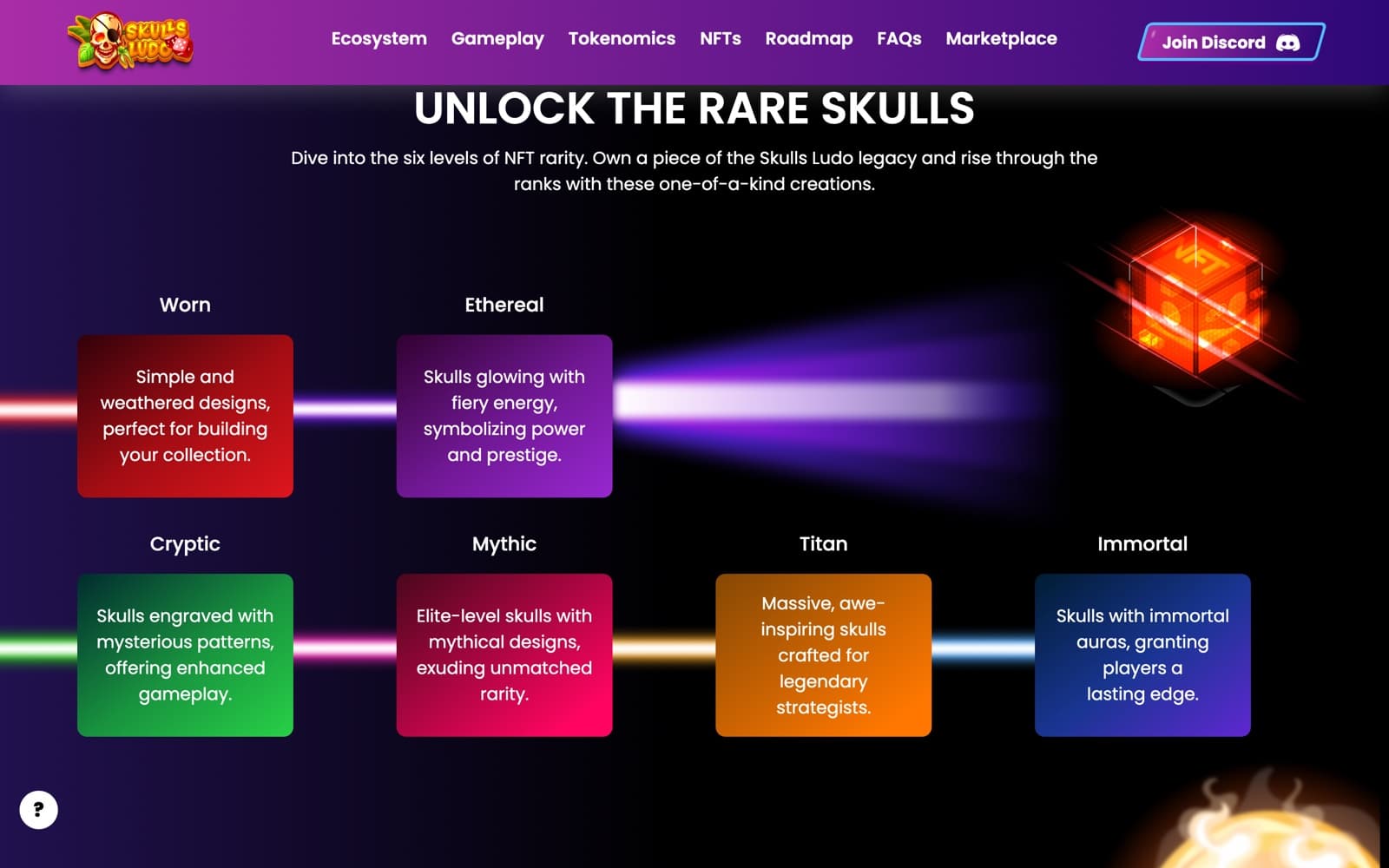
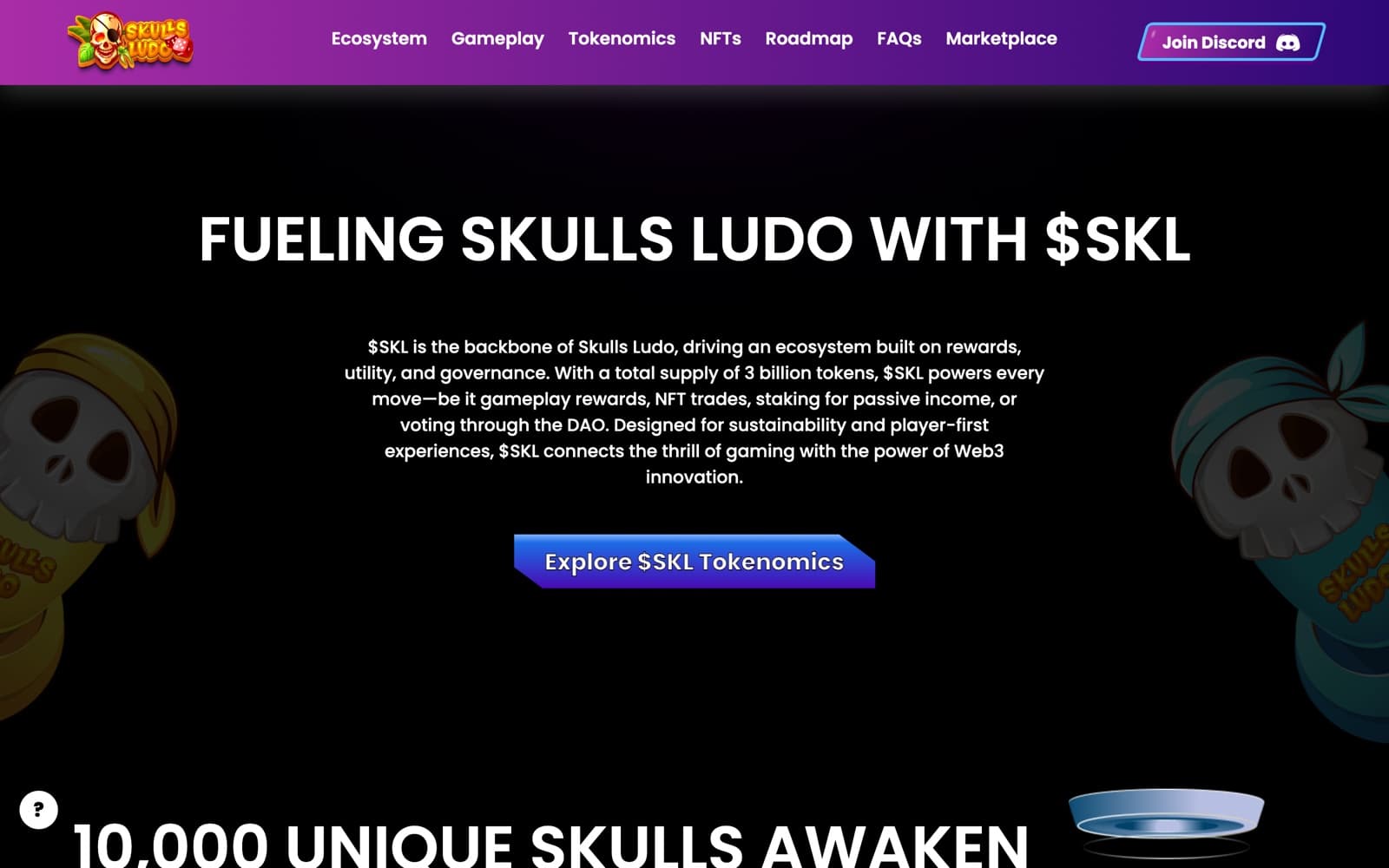
The whitepaper sets out the token, its supply, staking and governance, and ten thousand skulls across six rarity tiers, each tier carrying its own in-game effect. Writing an economy down to that level is what decides whether it can ever be implemented.
- 06
A launch site the length of a prospectus
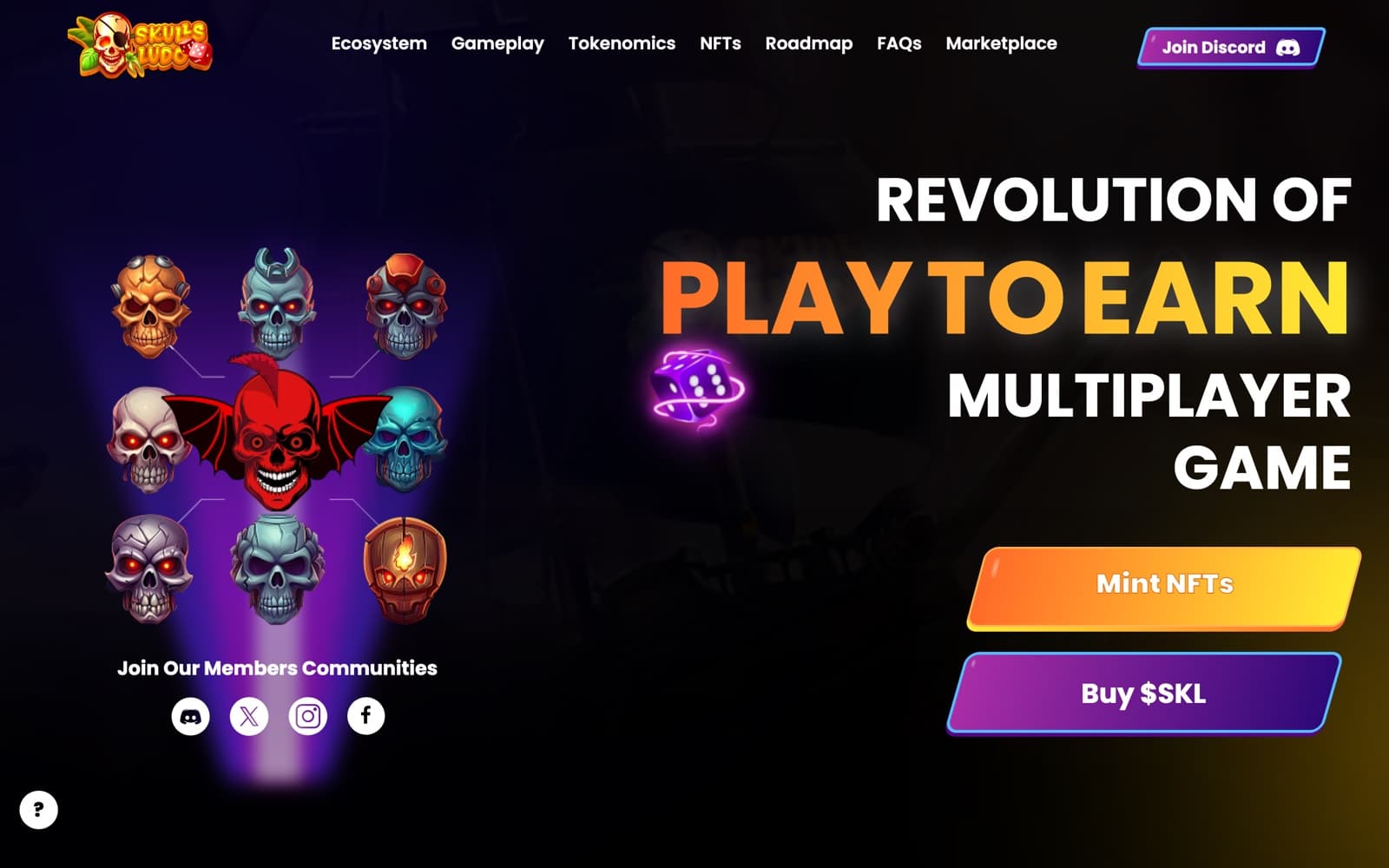
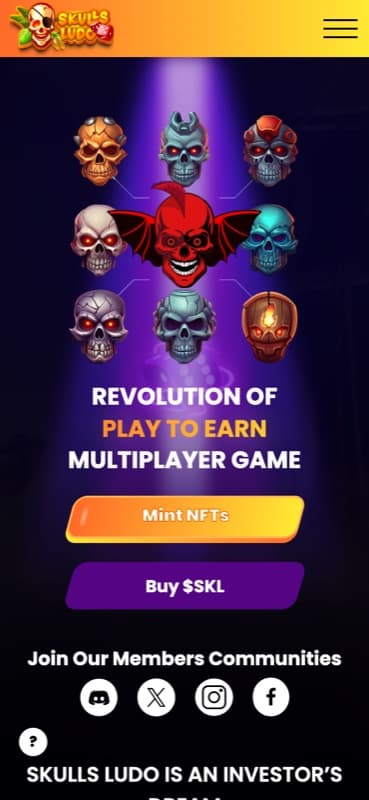
Twenty thousand pixels of one page: ecosystem, the modes, the token board, tokenomics, the rarity ladder, a roadmap and a FAQ, on in-page anchors with scroll-driven motion. It is a theme-only WordPress build with no plugins behind it, so every section is code rather than a page builder.
The running system
Captures of the live site. The address is in the frame, so you can open it yourself and check that what is shown here is what is actually served.
Running something that looks like this?
Start with the fixed-fee audit. One to two weeks, a known price, and the findings are yours whether or not you go further. It is the only way to see how a supplier thinks before you have given them the pager.












